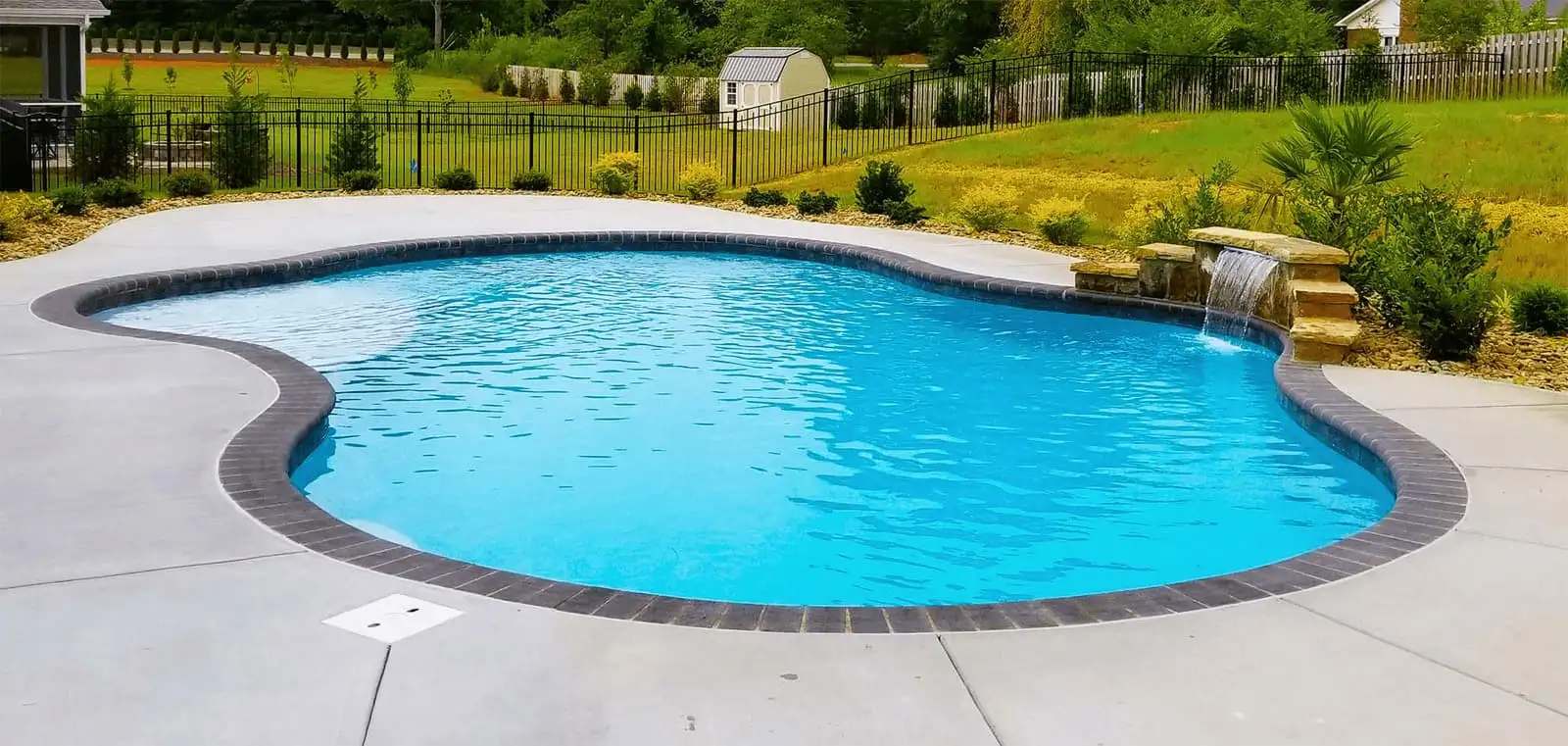
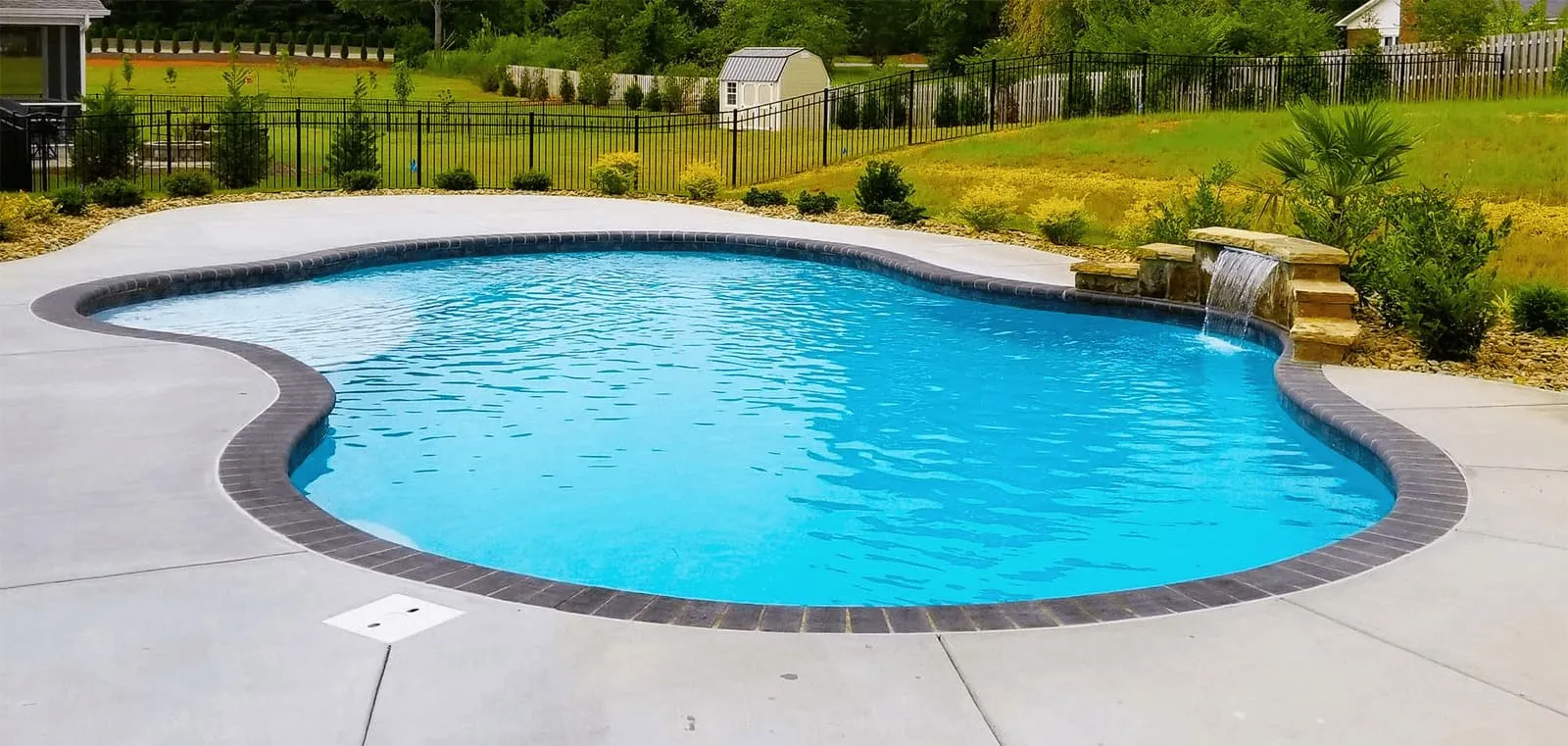
Pool Safety Checklist Lake Norman NC is essential when installing or upgrading a residential swimming pool, a major decision for families in Cornelius and the Lake Norman region, especially those with young children.
Beyond aesthetics and recreation, safety considerations should shape every stage of the process, from early design discussions to long-term maintenance routines. This article provides a comprehensive and practical guide families can use to make informed, responsible decisions.
Rather than focusing on product promotion, this guide is designed to educate parents and caregivers about the real-world risks associated with residential pools and the proven measures that reduce those risks. It reflects current best practices, North Carolina safety standards, and common challenges faced by households in this region.
Why Pool Safety Requires a Structured Approach
Residential pools are often perceived as controlled environments, yet national safety data consistently shows that most pool-related accidents occur at private homes rather than public facilities. In family settings, incidents typically happen during routine moments, such as brief lapses in supervision or times when safety systems are not actively engaged.
A structured pool safety checklist Lake Norman NC approach helps families move beyond assumptions and address safety systematically. It encourages planning that accounts for child development stages, visitor access, seasonal usage, and environmental factors unique to the Lake Norman area. By treating safety as an ongoing responsibility rather than a one-time installation task, families reduce both physical risk and long-term liability.
Understanding the Lake Norman and Cornelius Context
Regional Property Characteristics
Homes in the Lake Norman region vary widely in layout and terrain. Waterfront properties, sloped yards, wooded lots, and shared community access points all influence how pools should be designed and secured. Visibility from the home, distance from living spaces, and proximity to neighboring properties can affect supervision and access control.
Families should evaluate how their specific property characteristics interact with pool placement. A safety solution effective on a flat suburban lot may not be sufficient for a waterfront or hillside home.
Regulatory Oversight in North Carolina
North Carolina enforces residential pool safety requirements intended to limit unsupervised access, especially for children. While municipalities may interpret or enforce these standards differently, homeowners remain responsible for compliance.
Understanding pool fencing laws NC early in the planning process helps families avoid costly redesigns or inspection failures. These regulations are not merely administrative requirements but are rooted in injury prevention data and risk mitigation research.
Pool Design Choices That Influence Child Safety
Designing With Supervision in Mind
Pool safety begins long before water is added. Layout decisions directly affect how easily adults can monitor children during both active use and idle periods. Poorly planned designs often include blind spots, abrupt depth changes, or visually confusing entry points.
Applying kid-safe pool design NC principles means prioritizing clear sightlines from the home, predictable walking paths, and intuitive movement through the pool area. Gradual depth transitions allow children to adjust safely, while wide, clearly defined steps reduce slipping hazards.
Age-Appropriate Features
Families with young children benefit from features that support skill development without increasing risk. Shallow play areas, textured surfaces, and clearly marked depth indicators all contribute to safer experiences. As children grow, these same features continue to support safe use by guests with varying swimming abilities.
Incorporating kid-safe pool design NC strategies during initial planning often reduces the need for later structural modifications, saving time and resources while maintaining consistent safety standards.
Pool Fencing Laws and Physical Barriers
The Role of Barriers in Accident Prevention
Barriers remain one of the most effective tools for preventing unsupervised pool access. According to safety research, properly installed fences and gates significantly reduce the likelihood of accidental entry by young children.
Pool fencing laws NC typically specify minimum fence height, gate operation standards, and spacing requirements. These rules are designed to prevent climbing, squeezing through gaps, or accidental gate openings.
Practical Considerations for Families
Beyond meeting minimum legal standards, families should consider how fencing integrates into daily routines. Self-closing and self-latching gates should function reliably even with frequent use. Visibility through fencing materials can support supervision, while strategic placement can guide foot traffic away from pool access points.
Adhering to pool fencing laws NC is not simply about compliance but about creating predictable, enforceable boundaries that remain effective over time.
The Safety Value of Pool Covers
Beyond Debris Control
Many homeowners initially view pool covers as seasonal or maintenance tools. However, understanding pool cover benefits NC reveals their broader safety role. When properly selected and maintained, covers can act as a physical barrier that limits accidental entry during non-use periods.
Choosing the Right Cover
Not all covers provide the same level of protection. Families should consider weight ratings, locking mechanisms, and ease of use. Automatic covers often encourage consistent use, while manual covers require disciplined routines.
The long-term pool cover benefits NC include reduced evaporation, improved temperature control, and added protection during off-hours. Covers should complement, not replace, other safety measures such as fencing and alarms.
Securing Spas and Hot Tubs
Unique Risks of Residential Spas
Spas and hot tubs present safety challenges distinct from swimming pools. Higher water temperatures, strong suction forces, and compact dimensions increase risk for children. Without proper controls, spas can become accessible even when the main pool is secured.
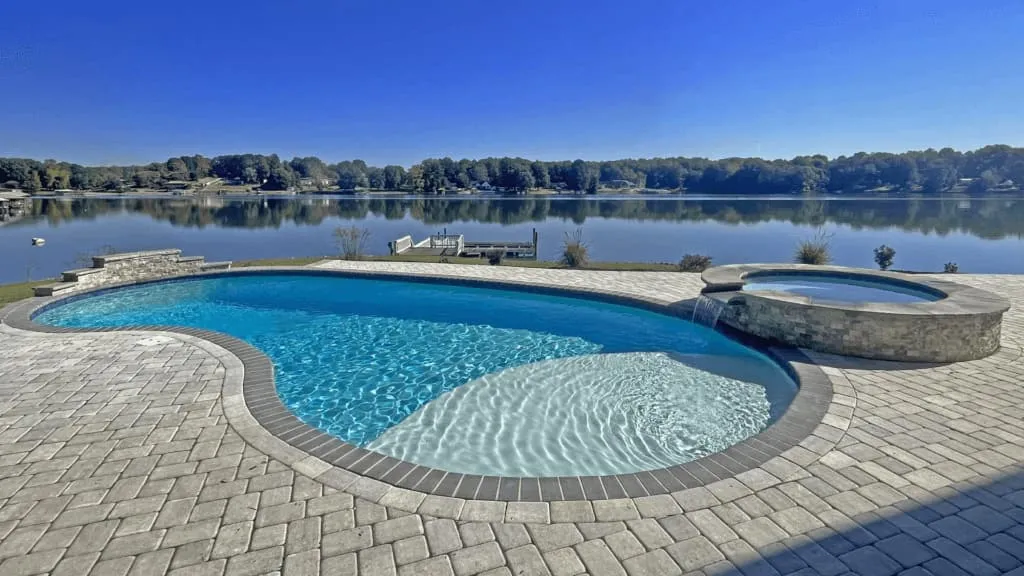
Effective securing spa NC practices focus on restricting access and managing operational settings. Lockable, weight-rated covers prevent entry, while clear temperature limits reduce the risk of overheating.
Integrating Spa Safety into the Plan
Spas should be treated as separate safety zones rather than extensions of the pool. Applying securing spa NC measures ensures that children cannot access heated water without supervision, even if they can reach the pool area.
Pool Safety Equipment and Emergency Preparedness
Supporting Rapid Response
Even with strong preventive measures, families must be prepared to respond to emergencies. Pool safety equipment NC plays a critical role in reducing response time and limiting injury severity.
This equipment includes reach poles, flotation devices, surface alarms, and clearly visible depth markers. Placement matters as much as selection. Equipment should be accessible without unlocking gates or entering storage areas.
Maintenance and Familiarity
Safety tools are only effective if they function properly and users know how to operate them. Families should inspect pool safety equipment NC regularly and ensure that all caregivers understand their purpose and use.
Daily Habits and Long-Term Safety Culture
Supervision as a Constant
No physical system replaces active supervision. Adults should establish clear supervision rules, designate water watchers during gatherings, and avoid distractions during pool use. These habits reinforce the effectiveness of structural safety measures.
Periodic Safety Reviews
A reliable pool safety checklist Lake Norman NC should be revisited at least annually. As children grow and household routines change, safety needs evolve. Reviewing fencing, covers, equipment, and rules ensures that protections remain appropriate.
Evaluating Builder Knowledge and Safety Awareness
When researching pool professionals, families often encounter search terms such as denver swimming pool builder, swimming pool builder denver, or pool builder newton. While these terms reflect geographic searches, the underlying concern is often experienced and safety knowledge.
Regardless of location, families benefit from working with professionals who understand regulatory requirements, risk mitigation, and long-term ownership responsibilities. Builder familiarity with safety planning can influence how well design and compliance elements are integrated.
Using Educational Resources for Informed Decisions
Many homeowners rely on professional educational resources to understand safety standards and maintenance responsibilities. Reviewing informational materials from established pool professionals can help families make decisions rooted in evidence rather than assumptions.
Conclusion
A residential pool can be a valuable addition to family life when safety is treated as a foundational priority. By applying a comprehensive pool safety checklist Lake Norman NC, families can address design, access control, equipment, and supervision in a coordinated way. Safety planning is not about limiting enjoyment but about creating an environment where children can grow, learn, and play with reduced risk. If you are evaluating pool installation or safety upgrades and would like guidance grounded in responsible planning, contact us today to discuss safety-focused considerations tailored to your home.
Frequently Asked Questions
What is a pool safety checklist and why is it important?
A pool safety checklist provides a structured way to identify risks, meet regulations, and apply layered protections that reduce accidents in residential pool environments.
Are safety requirements the same for every home?
While state standards apply broadly, property layout, child age, and usage patterns influence how safety features should be implemented for each household.
Do pool covers replace fencing?
No. Pool covers add protection but should always be combined with fencing, gates, and supervision for effective child safety.
How often should safety features be inspected?
Most safety features should be reviewed weekly and formally reassessed at least once a year or after major household changes.
Why is spa safety addressed separately?
Spas pose different risks due to temperature and depth, requiring dedicated access controls and safety planning for households with children.
Thinking about a pool? Get a real number, not a sales pitch.
Get my free estimate