
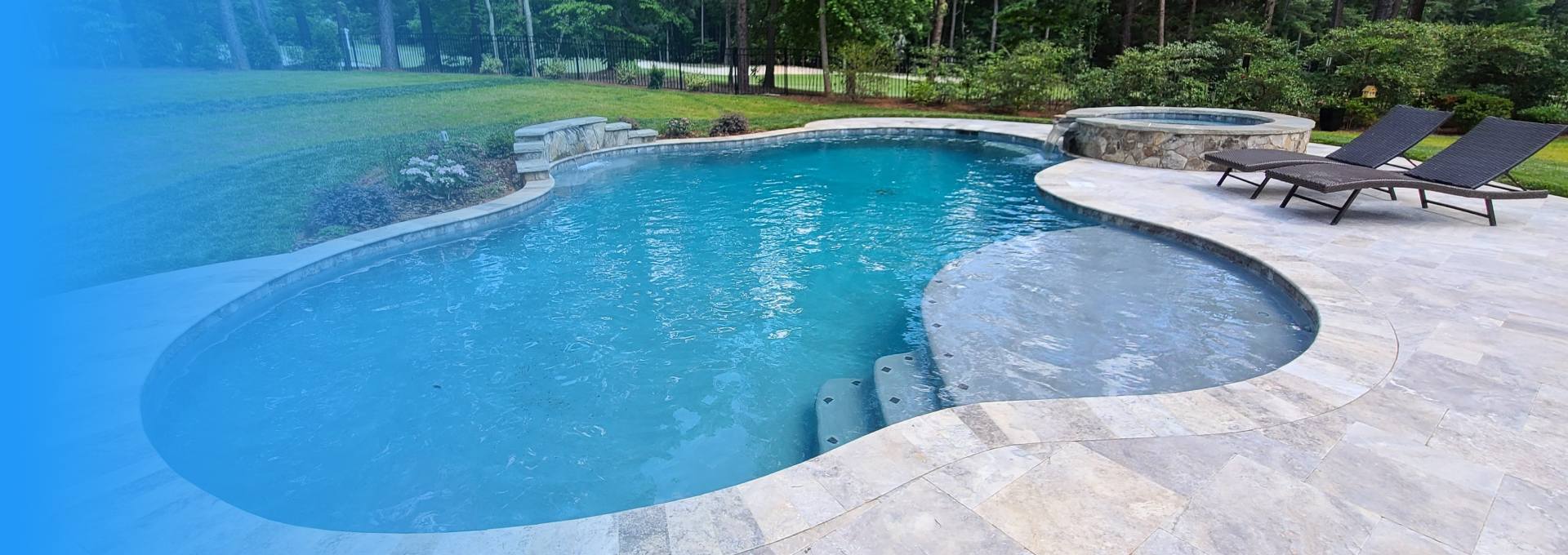
Investing in a swimming pool represents one of the most significant additions you can make to your property, and your custom concrete pool can provide decades of enjoyment, family memories, and property value enhancement for homeowners in Troutman and throughout the Lake Norman area. However, the longevity of your investment depends heavily on how well you maintain it throughout its lifetime.
Understanding how to properly care for your custom concrete pool ensures it remains beautiful, functional, and safe for your family year after year. Unlike vinyl liner pools that require replacement every seven to ten years, or fiberglass shells with limited design options, concrete pools offer unmatched durability and customization. With proper attention and maintenance, these pools can last thirty years or more before requiring major renovation, and the shell structure itself can remain sound for fifty years or longer.
Understanding Concrete Pool Construction and Longevity
Before diving into maintenance strategies, understanding what makes concrete pools unique helps explain why certain care practices matter. Concrete pools, whether constructed using gunite or shotcrete methods, consist of a structural shell that provides exceptional strength and flexibility in design. This construction method allows for virtually any shape, depth, or feature you can imagine.
The concrete shell itself is incredibly durable, but it requires a protective finish layer. This finish, typically plaster or an aggregate-based surface, comes into direct contact with water and swimmers. While the structural shell can last many decades, the finish layer experiences wear and eventually needs replacement. Understanding this distinction helps clarify maintenance priorities and long-term planning.
Climate factors in the Troutman area also influence concrete pool lifespan NC expectations. The region experiences distinct seasons including freezing temperatures in winter, which can affect pools if not properly prepared. Hot, humid summers promote algae growth and increase chemical demands. Understanding these local conditions helps you adapt maintenance practices to your specific environment.
When you work with experienced concrete pool builders near me, quality construction establishes the foundation for longevity. Proper steel reinforcement, adequate shell thickness, appropriate concrete mix specifications, and correct curing procedures all contribute to a pool that withstands decades of use and environmental exposure.
Regular Cleaning and Surface Care
Physical maintenance complements chemical balance in protecting your pool surfaces and extending lifespan. Consistent cleaning prevents problems before they become severe.
Brushing Pool Surfaces
Brushing your pool’s walls, steps, and floor at least twice weekly prevents algae attachment and removes fine particles that settle on surfaces. Use a brush appropriate for your finish type. Plaster finishes tolerate standard nylon brushes, while delicate aggregate finishes may require softer bristles.
Focus extra attention on areas with poor circulation, including behind ladders, around steps, in corners, and near skimmer openings. These spots accumulate debris and provide opportunities for algae to establish. Regular brushing as part of your pool care tips NC routine prevents these problems.
Vacuuming and Debris Removal
Regular vacuuming removes settled debris that brushing loosens but doesn’t eliminate. Manual vacuuming provides thorough cleaning and allows you to inspect your pool closely. Automatic pool cleaners offer convenience, running independently to maintain cleanliness between manual cleanings.
Skimming surface debris daily prevents organic material from sinking and decomposing on the pool floor. Leaves, grass clippings, insects, and other debris consume chlorine as they break down and can stain surfaces if left too long. A few minutes of daily skimming significantly reduces chemical demands and maintains water clarity.
Addressing Stains Promptly
Stains on pool surfaces often result from metals in the water, organic material, or chemical imbalances. Addressing stains quickly prevents them from setting permanently into the surface. Different stain types require specific treatments:
Organic stains from leaves, berries, or algae typically appear brown, green, or purple. Shocking the pool and brushing often removes fresh organic stains. For stubborn stains, enzyme treatments break down organic material.
Metal stains from iron, copper, or manganese create rust-colored, blue-green, or purple-brown discoloration. These stains usually indicate metal content in your source water or corrosion from pool equipment. Metal sequestrants help prevent and sometimes remove metal stains, though severe cases may require professional treatment or drain-and-acid-wash procedures.
Filter Maintenance and Circulation
Your filtration system removes suspended particles that cloud water and can contribute to surface staining or scaling. Proper filter maintenance ensures adequate water clarity and quality. Most concrete pools use sand, cartridge, or diatomaceous earth (DE) filters. Sand filters require backwashing when pressure gauges indicate resistance has increased, typically every few weeks during swimming season. The sand media itself needs replacement every five to seven years.
Seasonal Maintenance Considerations
The Troutman area’s climate requires adjusting your maintenance approach seasonally, with winter care being particularly important for protecting your investment.
Summer Peak Season Care
Hot summer weather increases chemical demands as sunlight, heat, and swimmer load all affect water quality. During peak swimming season, increase testing frequency to two or three times weekly. You may need to add chlorine more frequently and adjust pH more often.
Higher water temperatures accelerate algae growth. Maintaining consistent chlorine levels and proper circulation becomes even more critical during summer months. Running your filter longer each day and shocking more frequently helps manage increased biological activity.
Spring Opening Procedures
Properly opening your pool sets the stage for the entire swimming season. After removing your winter cover, thoroughly clean it before storage. Debris and moisture left on stored covers promote mold and deterioration.
Remove any debris that accumulated in the pool over winter, brush all surfaces, and vacuum thoroughly before beginning chemical treatment. Test water chemistry and adjust all parameters to ideal levels. You may need to shock heavily if water became green over winter.
Winterizing Pool NC Procedures
Proper winterization protects your concrete pool from freeze damage and makes spring opening easier. While the Troutman area doesn’t experience extremely harsh winters, temperatures do drop below freezing regularly enough to warrant proper preparation.
Lower the water level below the skimmer opening and pool returns to prevent ice damage to these vulnerable components. Blow out all plumbing lines using a shop vacuum or air compressor, then plug the lines to prevent water from entering. Any water remaining in pipes can freeze, expand, and crack pipes or equipment.
Add winterizing chemicals to prevent algae growth and maintain basic water quality over the dormant months. These products keep water clearer, making spring opening much easier. Some pool owners choose to run their equipment periodically over winter to maintain circulation, though this isn’t necessary if proper winterizing was performed.
Equipment Maintenance and Upgrades
The mechanical systems supporting your pool require regular attention to function efficiently and protect your pool’s structure and finish.
Pump and Motor Care
Pool pumps move water through the filtration and sanitation systems. A failing pump affects water quality and can lead to problems that damage pool surfaces. Listen for unusual noises that might indicate bearing wear. Inspect for leaks around seals and connections regularly.
Modern variable-speed pumps offer significant energy savings compared to older single-speed models while providing better circulation through programmable speed settings. Upgrading to efficient equipment when your current pump needs replacement represents a wise long-term investment.
Heater Maintenance
If your pool includes heating, maintaining this equipment protects your investment and ensures reliable operation. Have gas heaters professionally inspected annually to ensure safe operation and optimal efficiency. Electric heat pumps require coil cleaning and refrigerant level checks.
Scale buildup inside heat exchangers reduces efficiency and eventually causes failure. Proper water chemistry prevents scaling. If your area has hard water, periodic descaling treatments may be necessary to maintain heater performance.
Automation Systems
Modern pool automation controls pumps, heating, lighting, and sanitation systems from convenient interfaces. These systems improve efficiency and make maintaining proper chemistry and circulation easier. When working with pool designers near me, discussing automation options during construction or renovation planning ensures proper installation.Keep automation system software updated when applicable and replace batteries in controllers as needed. These simple steps prevent system failures that could interrupt proper pool maintenance routines.
Recognizing When Resurfacing Is Needed
Even with excellent maintenance, all pool finishes eventually require replacement. Recognizing the signs that resurfacing is approaching helps you plan and budget for this significant maintenance event. Surface roughness that no longer responds to brushing indicates plaster wear. As the top layer of plaster wears away, the rougher aggregate beneath becomes exposed. This rough texture is uncomfortable for swimmers and harbours algae more readily.
Staining that cannot be removed through chemical treatment or manual cleaning sometimes indicates that the finish has become too porous and absorbed stains deeply. Widespread staining often accompanies other signs of finish deterioration.
Small divots, chips, or exposed aggregate patches show that the finish is failing. While minor damage can sometimes be patched, widespread deterioration means full resurfacing is appropriate. The concrete pool lifespan NC homeowners can expect includes surface replacement every ten to fifteen years depending on maintenance quality, water chemistry history, and the specific finish type originally installed. Quality aggregate finishes often last longer than standard plaster.
Long-Term Structural Considerations
While surface finishes require periodic replacement, the concrete shell itself should remain sound for many decades with proper care. Understanding potential structural issues helps you protect your pool’s foundation.
Preventing and Addressing Cracks
Minor surface cracks in plaster finish are somewhat common and don’t necessarily indicate structural problems. These cosmetic cracks result from normal settling or surface shrinkage during curing. However, cracks that extend through the entire shell thickness or that leak water require professional evaluation and repair.
Maintaining stable soil moisture around your pool prevents settling that can stress the structure. Avoid allowing large trees too close to the pool, as roots can shift soil and potentially affect the pool shell over many years.If you notice structural cracks, water loss that cannot be explained by evaporation, or ground settlement near your pool, consult with professionals experienced in concrete pool repair. Early intervention prevents minor issues from becoming major structural failures.
Expansion Joint Maintenance
Expansion joints between the pool and deck allow for thermal expansion and contraction without causing stress cracks. These joints need periodic maintenance, as the flexible material filling them deteriorates over time.
Inspect expansion joints annually and refill or replace caulking material as needed. Proper expansion joint maintenance protects both your pool structure and the surrounding deck from crack damage.
Professional Inspections and Service
While homeowners can handle most routine maintenance tasks, professional expertise provides value in several situations. Annual professional inspections identify potential problems before they become serious. Experienced pool service technicians recognize subtle signs of issues that untrained eyes might miss.
When problems arise that exceed your technical knowledge or comfort level, professional service prevents well-intentioned but incorrect DIY repairs that can worsen situations. Equipment repairs, leak detection, major stain treatment, and plaster patching generally warrant professional attention.
For pool care tips NC homeowners should follow, establishing relationships with reputable service companies means having expert help available when needed. Many companies offer chemical-only service plans, handling water balance while you manage physical cleaning, representing a middle ground between full-service contracts and complete DIY maintenance.
Common Mistakes That Shorten Pool Life
Understanding mistakes other pool owners make helps you avoid pitfalls that compromise your investment. Neglecting water chemistry represents the most common and damaging error. Allowing pH to remain too low or too high for extended periods accelerates surface deterioration. Testing regularly and adjusting promptly prevents this damage.
Using excessive chemicals to solve problems often backfires. Adding large amounts of chlorine to clear green water without addressing the underlying causes creates more stress on surfaces. Proper diagnosis and measured responses protect your pool better than aggressive chemical applications.
Making Informed Decisions About Pool Care
Your approach to pool maintenance should reflect your lifestyle, budget, and long-term plans for your property. Some homeowners enjoy hands-on pool care and find the routine relaxing. Others prefer outsourcing maintenance to professionals and focusing their leisure time on enjoying the pool rather than maintaining it.
If you’re considering adding a pool to your property, working with experienced swimming pool installation near me professionals ensures quality construction that establishes the foundation for longevity. Quality construction matters more than any other single factor in determining how long your pool lasts and how well it holds up to years of use.
Frequently Asked Questions
1 How long can a well-maintained concrete pool last in Troutman, NC?
With proper maintenance, the plaster or aggregate surface may last 10–15 years, while the concrete shell itself can remain structurally sound for 50 years or more. Seasonal care and routine inspections extend the pool’s overall lifespan.
2 How often should I resurface my concrete pool?
Most concrete pools require resurfacing every 10–15 years, depending on water chemistry, usage, and finish type. Aggregate finishes generally last longer than standard plaster, reducing the frequency of replacement.
3 What routine maintenance helps prevent damage to a concrete pool?
Regular brushing, vacuuming, skimming, water chemistry checks, filter cleaning, and seasonal winterizing all help protect the pool’s finish and structure. Automation systems and energy-efficient pumps can further reduce maintenance demands.
4 How can I prevent cracks and structural issues in my concrete pool?
Maintain stable soil moisture around the pool, avoid planting large trees nearby, inspect expansion joints annually, and address minor plaster cracks early. Professional inspections help identify potential structural issues before they worsen.
5 Should I hire a professional for my concrete pool maintenance?
Yes, professional service can help with annual inspections, chemical balancing, stain removal, equipment repairs, and resurfacing guidance. Even with routine DIY care, experts catch subtle issues that homeowners might miss.